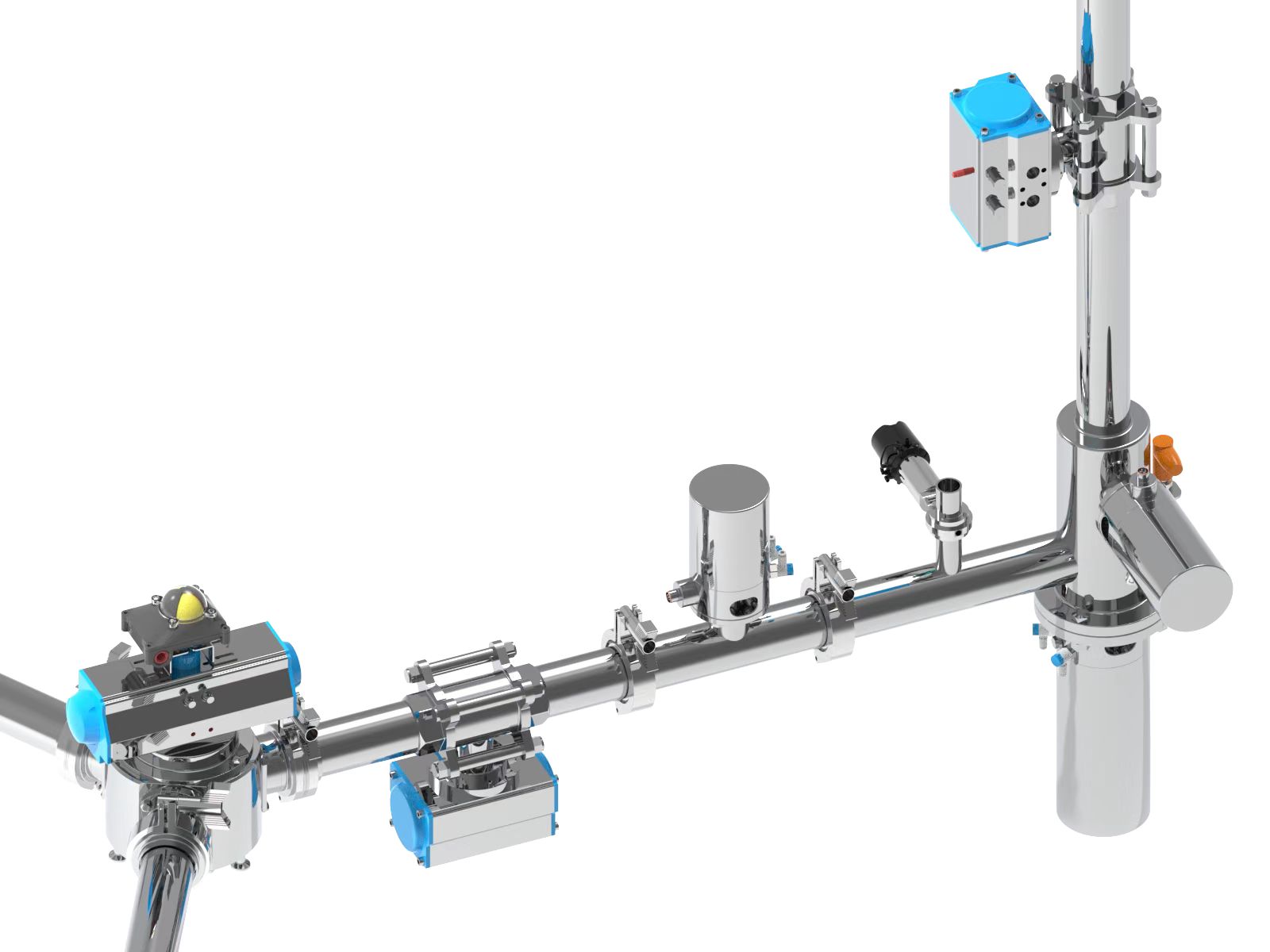
Proceeding
Automated pipe cleaning technologies deliver a substantial perk over physical approaches for maintaining the strength of pipes. These advanced tools enhance the operation of transmitting a "pig" – a tailored device – through the duct to eradicate deposits like mineral build-up, degradation, and accumulations. By cutting down downtime and strengthening running performance, automatic pigging mechanisms signify a crucial capital for fields relying on pipeline transportation of elements.
Hygienic Clearing : Ensuring Channel Purity in Nutritional Market
Upholding impeccable cleanliness within nourishment manufacturing facilities is important, particularly when it comes to conduits used for sending fluids. Contamination removal offers a efficient solution. This bespoke technique involves inserting a cleaning device – often a spongy device – into the pipe to clean leftovers, including impurities, and reinstate overall sanitation. Benefits include alleviated chance of tainting, refined beverage grade, and augmented production yield. Features for implementation include device substance compatibility with the item and pipe fabrication.
- Curbs defilement potential.
- Upgrades output quality.
- Improves process yield.
Piping Innovations: Maximizing Capability and Abating Residuals
These systems offer a considerable advancement in duct execution for various businesses, particularly within the mining and processing sectors. By propelling a “pig,” a purpose-built instrument, through the system, contaminants are cleaned out, improving output and avoiding product loss. This results in a diminished expense and a more responsible practice to equipment oversight.
This Future Pertaining to Pipelines: Researching Robotic Pigging Solutions
An prospect regarding pipeline control is increasingly being altered by self-sufficient pigging solutions. Traditionally, pigging processes have relied on operator-controlled intervention, but the progress involving autonomous pigs promises augmented efficiency, curtailed downtime, and advanced safety. These cutting-edge systems employ sensors, insights, and automated intelligence to explore pipelines autonomously, locating damage and delivering flushing tasks with extraordinary precision. Expecting widespread implementation, automatic pigging represents a critical step heading to a more eco-friendly pipeline infrastructure globally.
Sanitary Rinsing vs. Traditional Washing
Maintaining channel sanitation within the food processing industry presents a important challenge. Historically, non-automated scrubbing has been the routine method, relying on employees to directly scrape debris and impurities. However, this approach is time-consuming, exposed to inconsistencies, and can be troublesome to fully validate. Hygienic purging, on the other hand, offers a automated alternative. This technology utilizes a instrument propelled through the conduit to extract deposits, providing a faster and dependable cleansing process. Key differences include:
- Outlay: Handheld disinfecting often involves substantial labor payments, while cleaning has early investment less overall outlays.
- Effectiveness: Purging habitually offers amplified functionality compared to operator-driven strategies.
- Proof: Attesting the rigor of disinfection is convenient with rinsing due to documentation capabilities. sanitary pigging system
- Security: Operator-based sanitation can expose employees to risky conditions, whereas scrubbing reduces this exposure.
Implementing an Robotic Pigging Platform: Proven Methods
Competently launching an self-acting pigging method requires exacting preparation and adherence to standardized best procedures. Initially, undertake a in-depth examination of your pipeline to ascertain the distinct complications requiring maintenance. This encompasses assessing the kind of deposit, the place of jams, and the general health of the equipment. Subsequently, decide on a pigging modality compatible for your unique operational requirements.
Moreover, highlight detailed guidance for assistants assigned in the function procedure. This should include training on secure use of the technology and awareness of critical measures.
- Commonly monitor the instrument and attached units for breakage.
- Formulate a solid preservation timetable.
- Log all purging executions and pertinent information.
- Evaluate the impact on pipework power and good caliber.
Ultimately, regular oversight and refinement of the pigging project are necessary for enhancing productivity and prolonging the conduit's operational activity span.
Resolving Typical Issues in Uncontaminated Purging Configurations
Effective activity of sanitary pigging frameworks often necessitates frequent fixing. Often, blockages arising from deposit aggregation are observed, which is prone to be addressed through thorough inspection leveraging appropriate devices. Furthermore, pressure reductions imply damaged seal mechanisms or conduit breaking down. Routine maintenance, including instrument retrieval and visual analysis of conduit circumstance, is imperative to diminish stoppages and retain maximal functionality.
Self-operating Rinsing Processes for Technical Lines
Computerized cleaning offers substantial pros for process pipes, significantly increasing operational effectiveness. Such technology provides a variety of merits, including reduced halts, minimized care costs, and improved substance value.
- Reduced line diminution leading to power cuts.
- Enhanced tube condition, combating deterioration.
- Improved volume by extracting deposits.
- Strengthened safety for employees and the milieu.
Financial Impact with Pristine and Machine-driven Pigging Processes
Implementing sterile and self-operating rinsing applications offers substantial expense reductions for piping operators. These state-of-the-art technologies minimize good loss due to attached residues, significantly lessening waste. Beyond material recovery, cleaning solutions curtail the frequency of timed line shutdowns for overhaul, translating to boosted running time. Furthermore, the limited need for manual labor and additive consumption further enhances the overall economic efficiency of your business.
- Decreased Substance Loss
- Enhanced Process Throughput
- Minimized Human Intervention Requirements