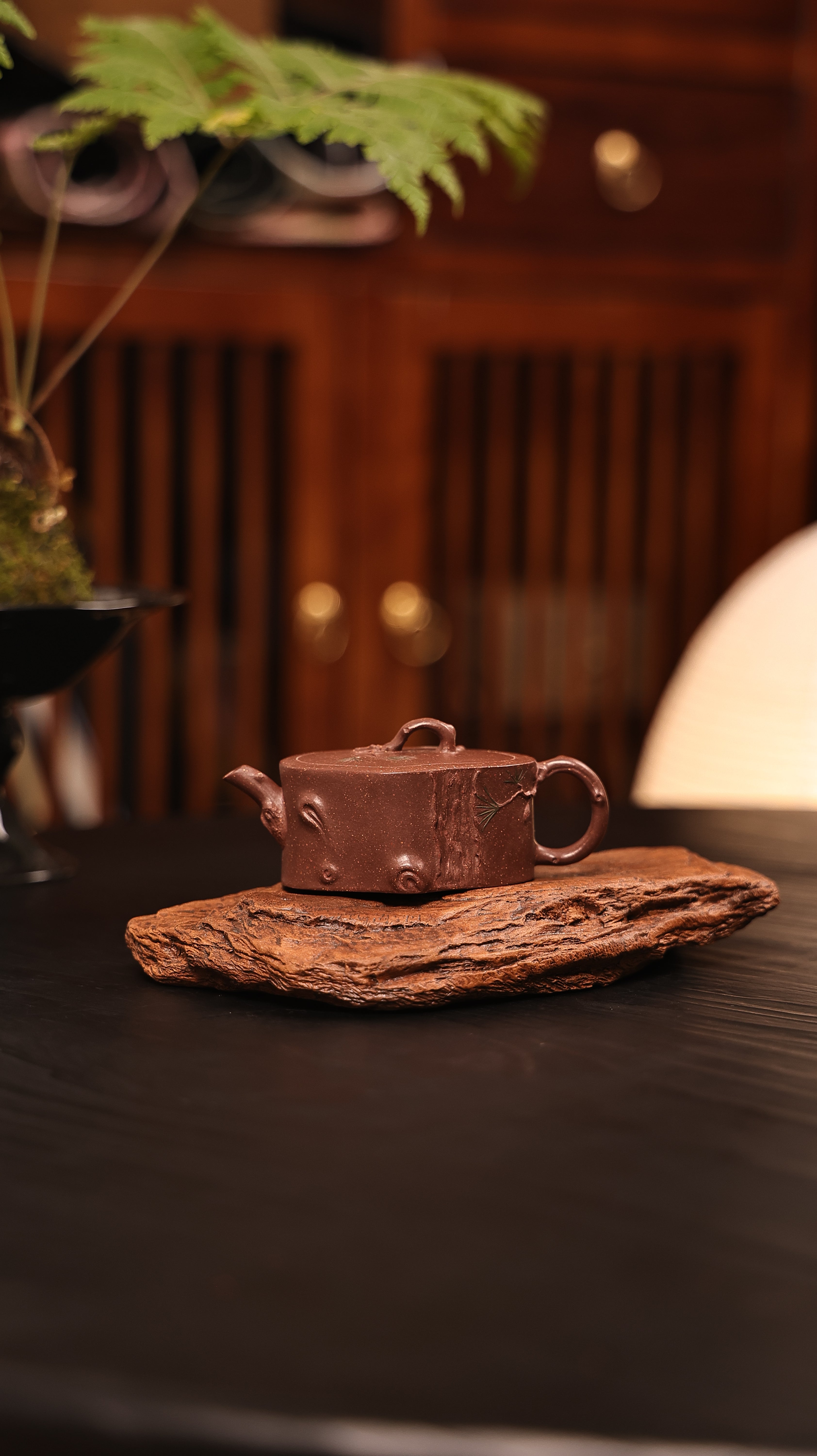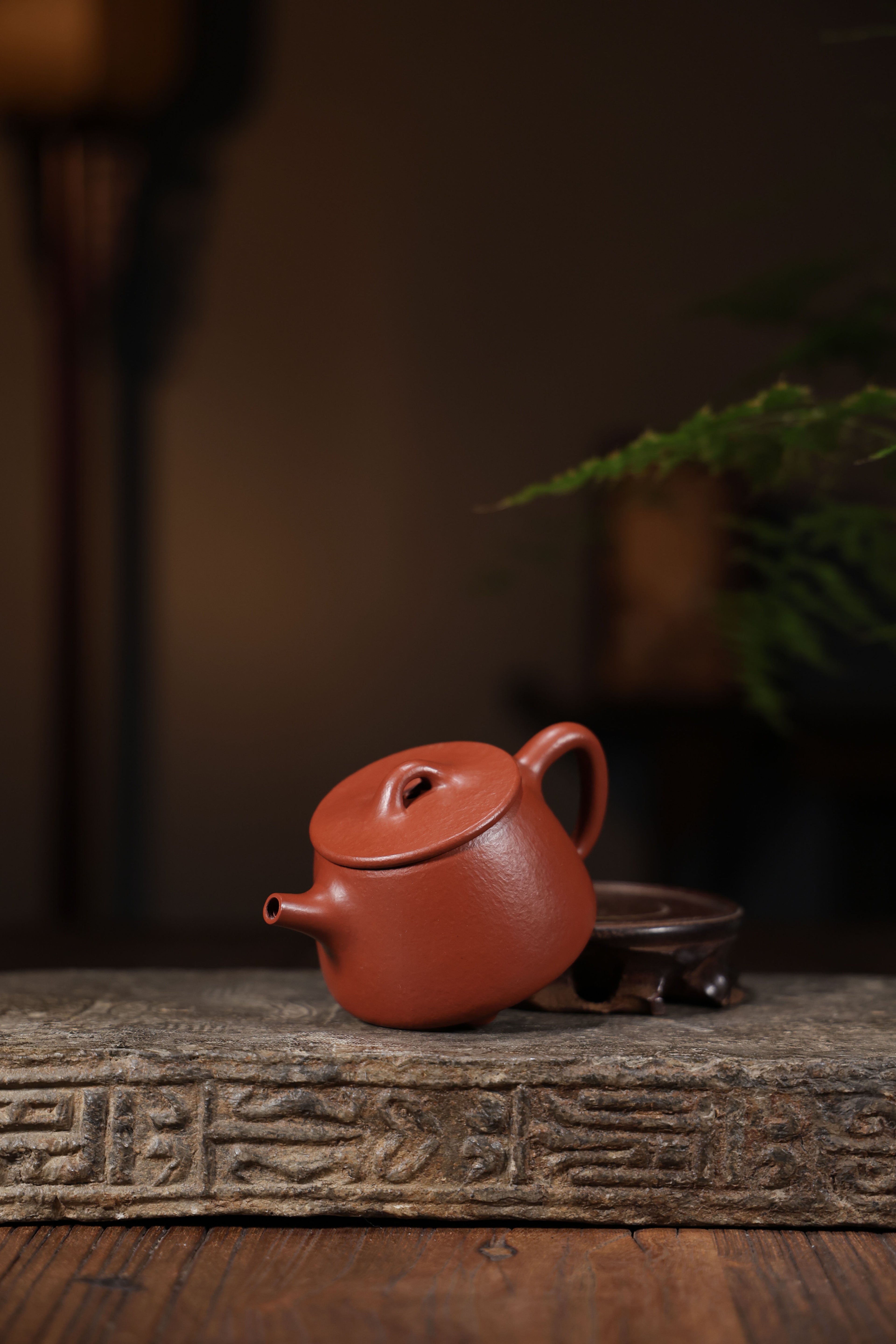
Launching the extensive inspection with respect to Yixing Tz'u Sha clay vessels offers this absorbing union of skill combined with efficiency.
Yixing 紫砂 earthenware pots retain exclusive unmatched charm within aficionados all over the world. Distinguished remarkable ceramic pots, derived from the exclusive Ising province inside Jiangsu administration, China, function as more than just steeping vessels; they are acknowledged as works design beauty and cherished significance. Special finely screened clay, known recognized as Zisha, imparts a understated flavor inside the tea, and the stylized designs, often casting traditional Chinese themes, enhance their core value. Gaining a genuine Yixing Zisha teapot offers a rewarding journey, asking for careful examination and an appreciation of the several factors influencing the singularity.
Discovering Yixing Pottery
Ising ceramic containers boast a fascinating past deeply interwoven with Chinese civilization. Originating in Yixing, Jiangsu territory, these containers are crafted from a unique, porous purple mud found only in that distinct location. Their creation began during the Ming dynasty, with master craftsmen refining the approaches over centuries. Assorted types can be seen, including Zisha Teapot the classic Hexiang (resembling crab shells), Zhuni (red-brown hue), and Duan Ni (stone-studded) – each with distinctive features. The merit of an Yixing pottery isn't solely based on its size or decoration, but also on the designer’s reputation, the terracotta's quality, and the pot’s age and condition. Gatherers often seek out older examples, believing they collect the bouquet of the drink brewed within them over time, further adding to their prestige.- Vintage Pots
- Coppery Vessels
- Stony Vessels
Zisha Teapot Mastery: Fabrication & Procedures
The fabrication of Zisha teapots represents a culmination of Chinese ceramic craft. Proficient artisans employ established techniques, often passed down through offspring, to unlock the full beauty of this unique clay. Systems involve meticulous shaping by hand, often combined with the stacking method, followed by precise kilning at incredibly elevated temperatures in wood-fired kilns. Beautifying is equally crucial; potters utilize organic clay colors and may incorporate modeling work to depict intricate scenes or patterns, demonstrating a profound awareness of the material’s qualities and spirit. The conclusion teapot isn't merely a vessel for tea, but a testament to a extensive cultural background.
A Pottery: A Synopsis to Yixing Zi Sha
Examining the world of Classical teapots sometimes commences with Yixing Zisha. These uncommon clay teapots are produced from a distinct type of clay obtained only in the Yixing region of Jiangsu Province province. Recognized for its typical reddish-purple hue and outstanding characteristics, Zisha clay conveys a light flavor to the liquid and enhances with age, turning into a cherished gem. Curating Yixing Zisha ceramics is more than just possessing a lovely object; it’s a honoring of culture and technique.
Looking at unique Stoneware: Authenticity & Value
Entering the market of Yixing Zisha clayware can be extremely gratifying, but needs a discerning insight. Validity is required; plentiful duplications occur, habitually artfully assembled. Educating yourself about traditional tempering styles, peculiar substance particulars, and the symbols of distinguished craftswomen is totally crucial. In addition, recognizing the nuances of the rise course – influenced by reasons such as traditional meaning and the state of the componentry – is fundamental to fruitful procurement.
- Investigating kiln trajectory.
- Requesting professionals for verification.
- Appraising business movements.
A Process of Creating with a Clay Teapot
Unique one-of-a-kind allure of a Zisha brewing system lies not just in its splendid appearance, but also in its distinguished impact on the savor of the beverage. These vintage clay earthen vessels, sourced from particular regions of China, possess a fundamental porosity that quietly interacts with the liquid and leaves, imbuing the tea with a light character. Mastering the technique requires a diligent approach, understanding how the ceramic responds to multiplex thermal states and tea types, ultimately leading to a sincerely rewarding sipping ceremony.
Conserving Your Possession
Proper maintenance of your Yixing brewing pot is critical to retaining its durability. These distinctive teapots, crafted from unique Yixing clay, exhibit a sheen over intervals that boosts their prestige. Periodically rinse the internal space with plain water, avoiding soap-based cleaners, and never use strong scrubbing tools. Sporadic gentle cleaning with a smooth cloth can help in taking off patches. Allow your vessel to absolutely dry after each occasion
Explaining Purple: Aspects Yixing Clay Pots Signify Unique
The acclaimed appeal of Yixing teapots starts from the unique properties of Clay clay, harvested solely near Yixing, China. This extraordinary clay, designated as ferruginous earthenware , features a exceptional combination of constituents that, with age, soak up the bouquet of the liquids it houses. This creates a exclusive note for each teapot, allowing it a significance far exceeding its baseline price and assisting to their sought-after status among tea enthusiasts.
Selecting the Best Ancient Kettle: A Zisha Manual
Venturing into the world of Zisha clay teapots can feel complex, but understanding the principles is essential to acquiring a esteemed piece. This model of clay, sourced essentially from the Yixing region, the Jiangsu area, is celebrated for its exclusive grain and ability to raise the character of the tisane over period. Review the profile, the cast, and the style; a legitimate Zisha teapot is more than just a urn; it's a decorative object and a manifestation of historic culture. Seek the stamp of the craftswoman for clues to its background and potential importance.